20 Fast-Growing Career Paths In AI-Enabled Biomedical Engineering
Artificial Intelligence is changing the way we treat and understand health. In biomedical engineering, AI is helping doctors, scientists, and engineers find new ways to care for people. From smart prosthetics to AI-powered surgeries, this powerful mix of technology and medicine is opening up exciting careers.
In this article, you’ll learn about 20 fast-growing career paths where AI and biomedical engineering come together. These roles are shaping the future of healthcare and offer great opportunities for anyone interested in both science and technology.
1. Biomedical Data Scientist
Biomedical data scientists specialize in analyzing vast amounts of complex healthcare data using AI and machine learning techniques. They work with electronic health records, genomic datasets, clinical trial outputs, and wearable device data to uncover patterns and predict health outcomes. Their role is critical in transforming raw biomedical data into actionable medical insights that inform diagnosis, treatment plans, and public health strategies. As part of the broader field of biomedical technology, their work plays a key role in bridging data science with real-world medical applications.
With the rise of AI tools like deep learning, biomedical data scientists are now leveraging convolutional neural networks, natural language processing, and advanced analytics to uncover new disease biomarkers and refine predictive models. This career path requires a strong background in statistics, coding (Python, R), machine learning frameworks, and domain expertise in human biology and medical sciences.
2. Medical Imaging AI Specialist
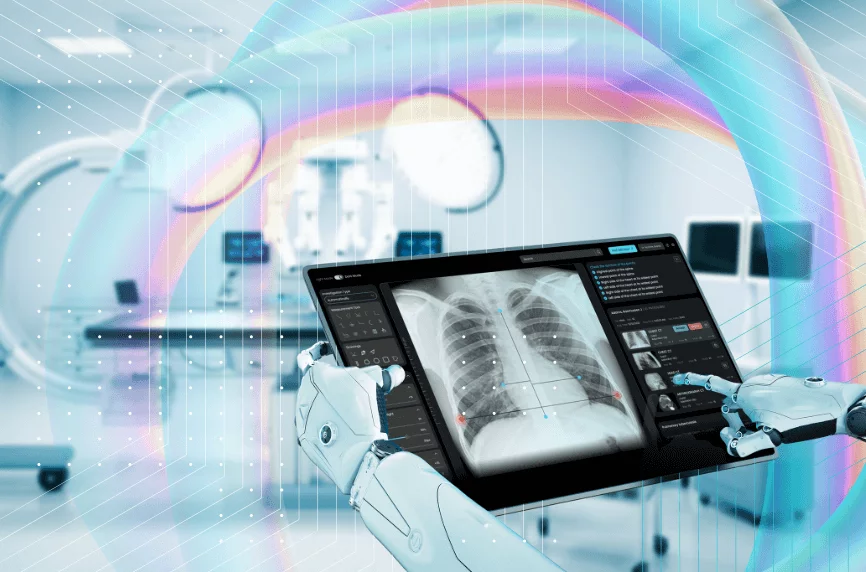
This role involves developing and applying AI algorithms to medical imaging data such as MRIs, CT scans, and X-rays. These specialists improve diagnostic accuracy and speed by enabling machines to detect subtle anomalies that might be missed by the human eye. AI-powered imaging tools are already assisting radiologists by highlighting areas of concern and suggesting possible diagnoses.
A medical imaging AI specialist typically collaborates with radiologists, clinicians, and software engineers to ensure the models align with clinical needs. Skills in computer vision, deep learning (CNNs), image preprocessing, and working with DICOM files are essential. This career is pivotal in areas like oncology, neurology, and orthopedics where early detection can significantly impact patient outcomes.
Continue Reading - The Role Of AI In Engineering - Applications, Benefits, And Future Trends
3. AI-Based Prosthetics Engineer
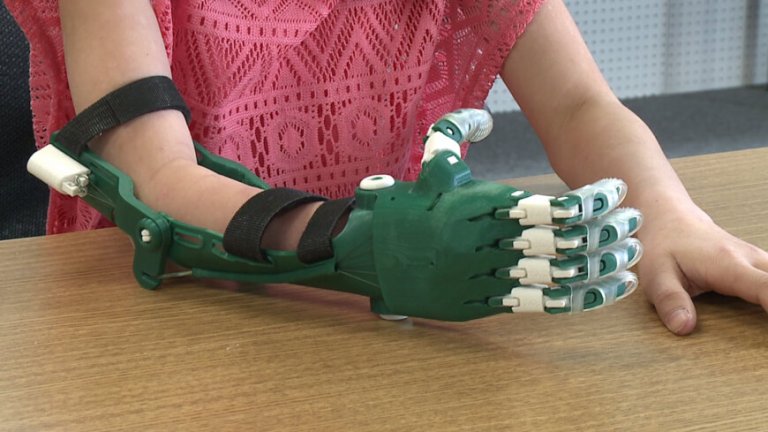
These engineers design intelligent prosthetic limbs that integrate machine learning to better mimic natural movement. By analyzing user behavior and feedback data, AI algorithms adapt and personalize the prosthetic’s responses, improving both usability and comfort. Innovations like neural-controlled limbs and smart sensors are revolutionizing the prosthetics field.
This career path blends biomechanics, robotics, and artificial intelligence. Engineers must understand human anatomy, sensor fusion, real-time data processing, and AI model deployment on edge devices. Their work directly enhances the quality of life for individuals with limb loss or mobility impairments.
4. AI-Driven Genomics Analyst
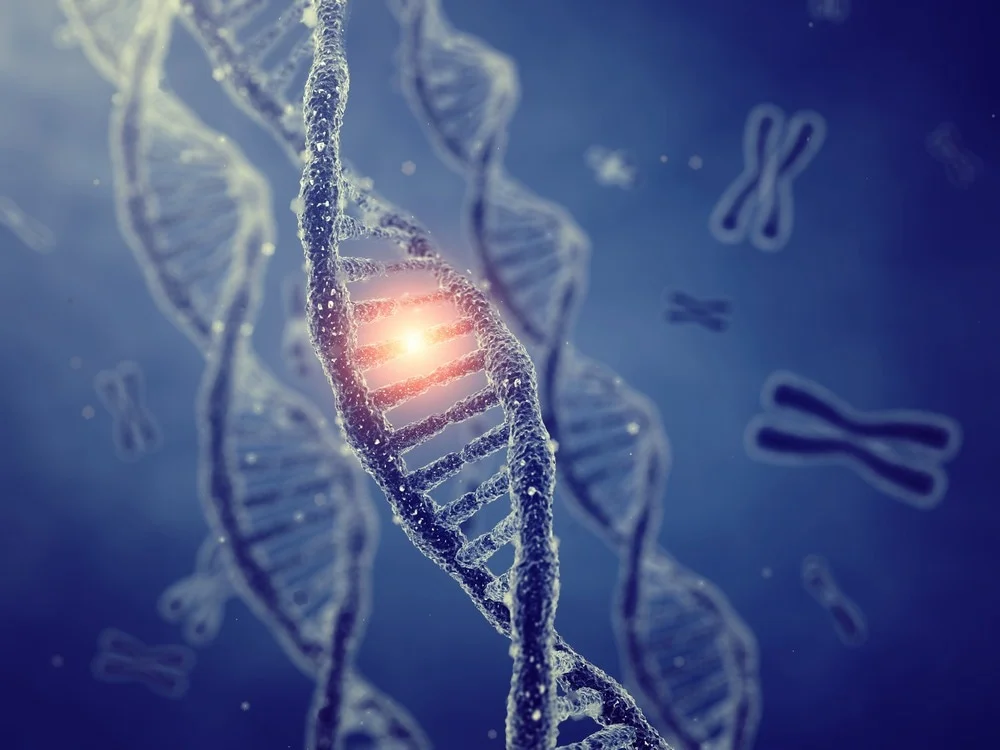
An AI-driven genomics analyst uses machine learning to analyze genetic data and identify links to diseases, drug responses, and inherited conditions. The goal is to predict health risks and enable truly personalized medicine. By processing terabytes of sequencing data, AI helps uncover patterns too complex for traditional bioinformatics methods.
This role often involves working in precision medicine initiatives, pharmaceutical R&D, or academic research. Analysts must be skilled in bioinformatics, deep learning, genome-wide association studies (GWAS), and handling large biological datasets. Understanding both molecular biology and AI enables meaningful interpretation of genomic insights.
5. AI-Powered Biomedical Device Developer

Biomedical device developers incorporate AI into medical devices to enable real-time decision-making, self-calibration, and performance optimization. Examples include smart insulin pumps, AI-enhanced pacemakers, and wearable diagnostics that monitor vital signs and detect anomalies instantly.
This career requires interdisciplinary skills across hardware engineering, signal processing, embedded systems, and AI. Developers must ensure compliance with regulatory standards (FDA, ISO), maintain patient safety, and optimize devices for clinical use. As more devices become connected and intelligent, this field continues to expand rapidly.
6. Clinical Decision Support Systems (CDSS) Engineer
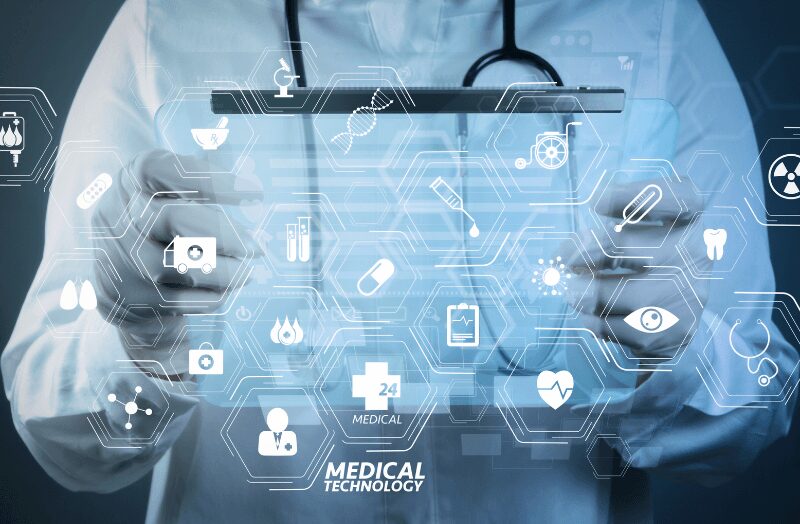
These professionals design AI systems that support physicians in making evidence-based decisions. CDSS platforms analyze patient data, suggest diagnoses, recommend treatment options, and flag potential risks like drug interactions. The goal is not to replace doctors but to augment their decision-making with AI-powered insights.
To excel in this role, engineers need to understand clinical workflows, diagnostic reasoning, and regulatory frameworks. Familiarity with EHR systems, medical ontologies, explainable AI, and human-AI interaction principles is vital. Their work plays a key role in improving patient outcomes and reducing medical errors.
7. AI-Powered Drug Discovery Scientist
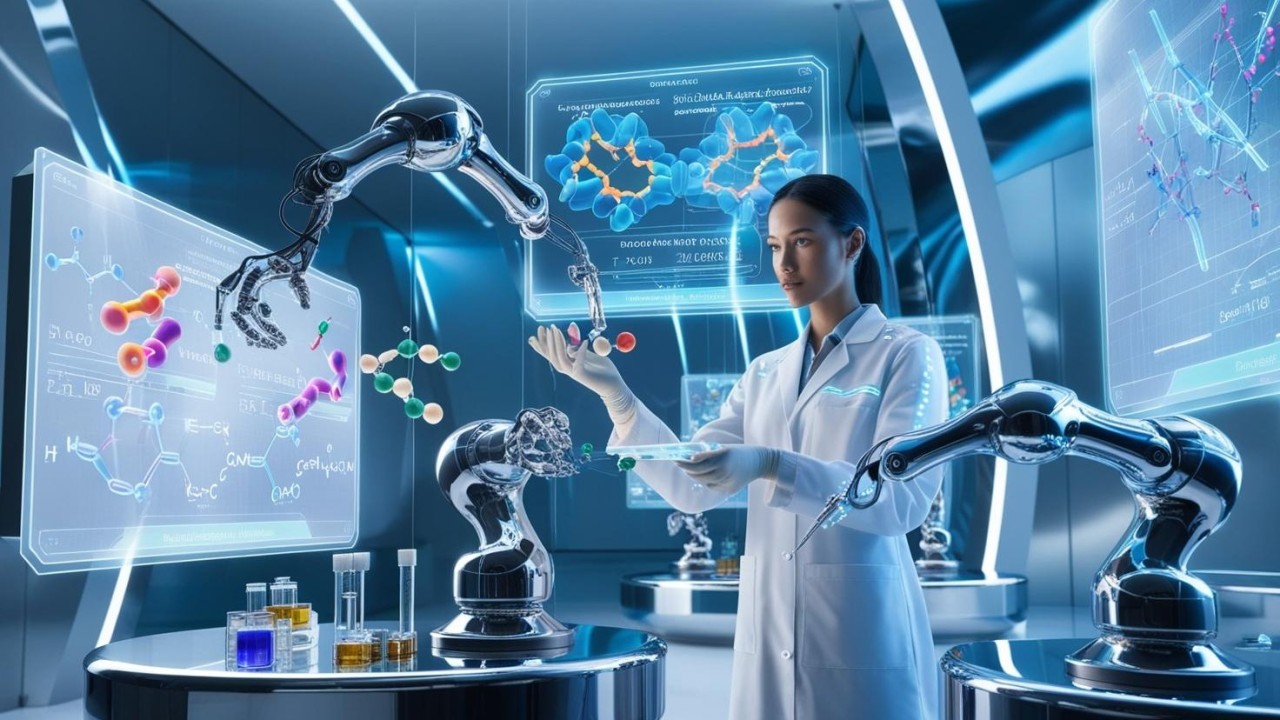
These scientists use AI to identify new drug candidates, predict molecular interactions, and accelerate the drug development timeline. Deep learning models can simulate how molecules interact with target proteins, helping pharmaceutical companies avoid costly lab testing and reduce development time.
AI-powered drug discovery involves cheminformatics, molecular biology, and data science. Professionals in this space work with neural networks, generative models (e.g., GANs), and reinforcement learning. This role is crucial in finding treatments for complex diseases like cancer, Alzheimer’s, and rare genetic disorders.
8. Personalized Medicine Specialist
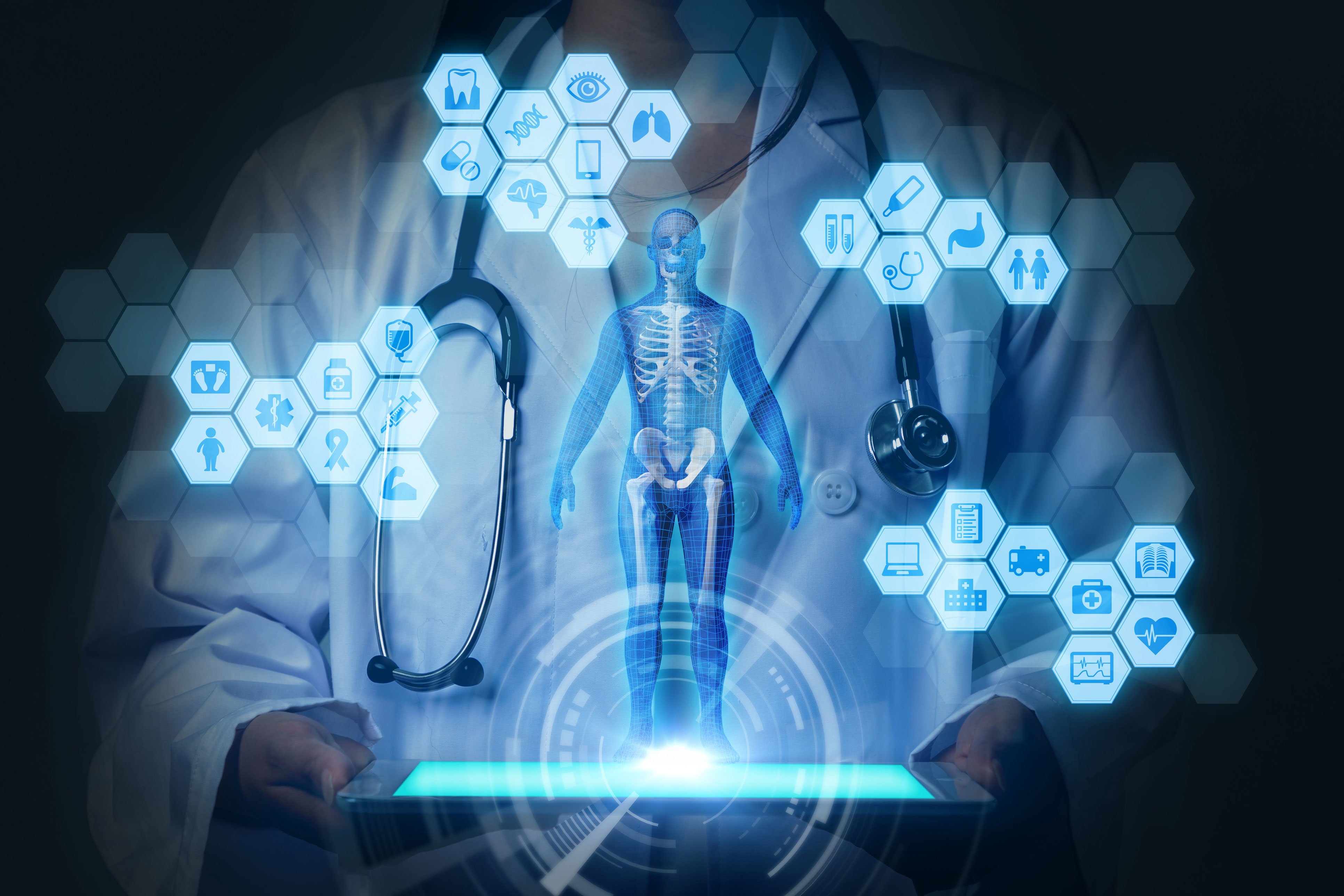
Personalized medicine specialists harness AI to tailor treatments based on a patient’s unique genetic, clinical, and lifestyle data. By analyzing this data with predictive models, they can forecast how individuals will respond to specific therapies and adjust treatments accordingly.
This career blends clinical knowledge with data analytics and bioinformatics. Professionals work closely with healthcare providers, researchers, and data scientists to integrate AI into treatment planning. This field is transforming chronic disease management, oncology, and mental health care.
9. AI In Rehabilitation Engineering

Rehabilitation engineers use AI to develop systems that assist patients recovering from injuries or surgeries. Examples include AI-guided physiotherapy robots, virtual rehabilitation coaches, and motion analysis tools that adapt exercises based on patient progress.
This role requires a deep understanding of biomechanics, neural interfaces, and machine learning algorithms for time-series data. Engineers must also work empathetically with patients and therapists to ensure the tools are both functional and user-friendly, fostering better recovery outcomes.
10. Wearable Health AI Engineer
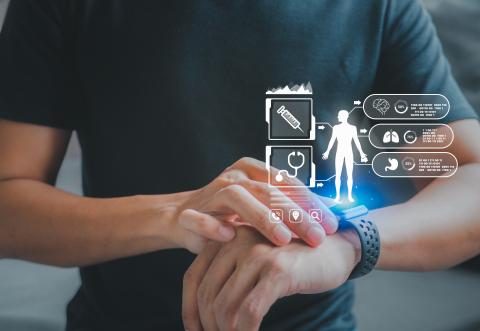
These engineers design wearable devices that monitor physiological signals and use AI to detect early signs of illness or track disease progression. Devices like smartwatches, ECG patches, and glucose monitors use onboard machine learning to deliver continuous, real-time feedback.
This career involves sensor integration, low-power embedded systems, real-time signal processing, and edge AI. Engineers must also prioritize privacy, security, and usability. The demand for wearables in consumer health and clinical monitoring continues to grow exponentially.
11. Surgical Robotics Engineer
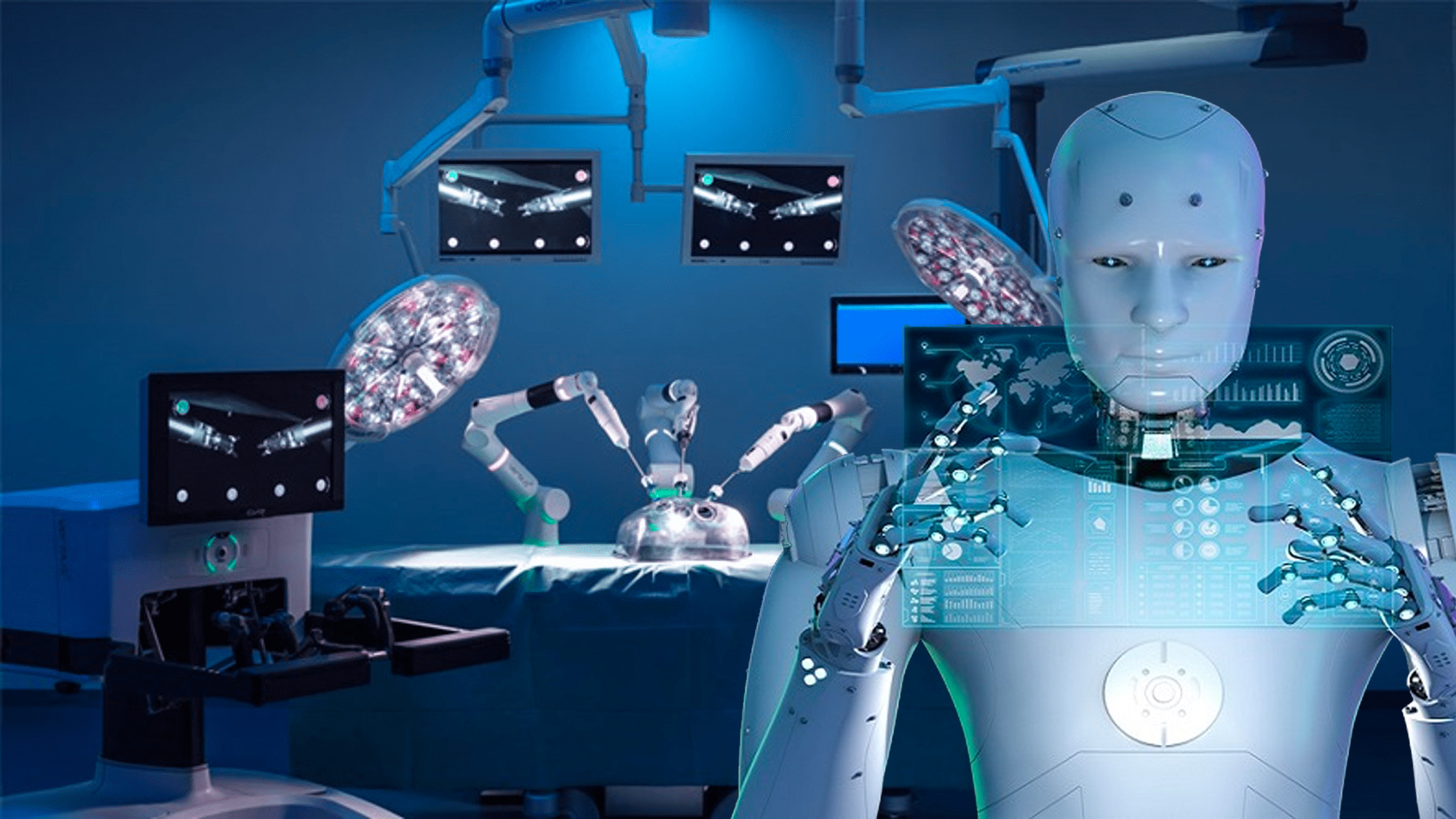
Surgical robotics engineers design and develop robotic systems that assist surgeons in performing complex surgical procedures with greater precision, minimally invasive techniques, and enhanced visualization. They integrate AI algorithms into these systems to automate certain tasks, provide real-time guidance, and improve surgical outcomes. This field is transforming the way surgeries are performed, leading to faster recovery times and reduced complications.
These engineers work on developing robotic arms with advanced dexterity, designing computer vision systems for surgical navigation, and creating AI-powered tools for surgical planning and simulation. They collaborate closely with surgeons to understand their needs and develop robotic solutions that enhance their skills and improve patient care.
12. Healthcare Data Scientist
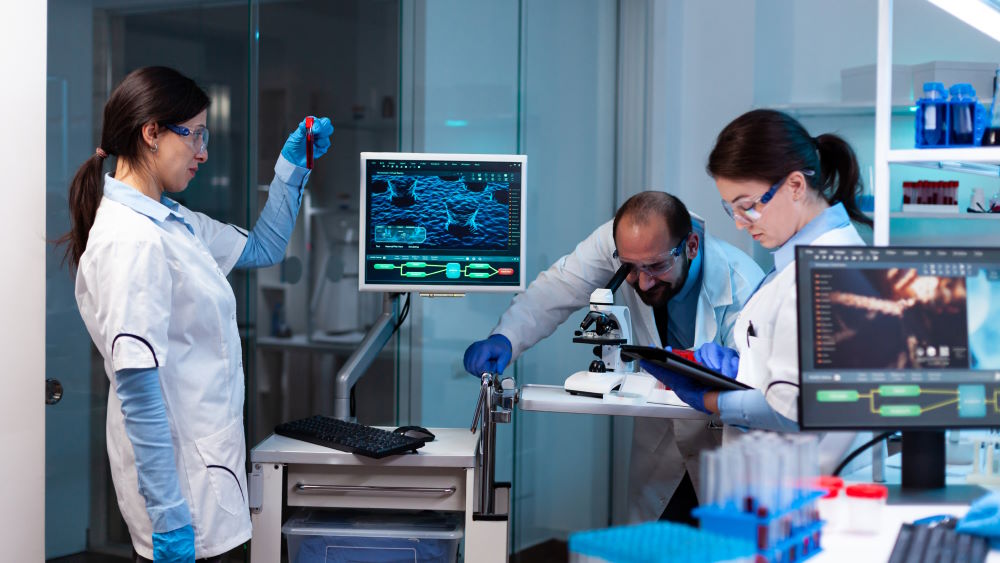
Healthcare data scientists are responsible for collecting, analyzing, and interpreting large-scale healthcare datasets to extract meaningful insights that can improve clinical decision-making, optimize healthcare operations, and advance medical research. They use statistical modeling, machine learning, and data visualization techniques to identify patterns, trends, and correlations in data from electronic health records, medical images, and other sources.
These professionals play a critical role in driving evidence-based medicine and improving the efficiency and effectiveness of healthcare systems. They work on projects like developing predictive models to identify patients at risk for readmission, analyzing clinical trial data to evaluate the efficacy of new treatments, and creating dashboards to monitor public health trends.
13. Machine Learning Engineer In Biomedicine
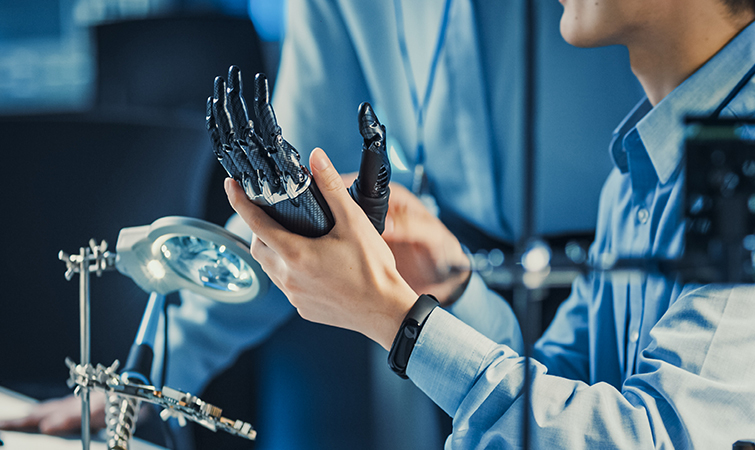
Machine learning engineers in biomedicine specialize in developing and deploying the core machine learning models that power various AI-driven applications in healthcare. They work with a variety of algorithms, including deep learning models, to solve complex problems in areas like diagnostics, drug discovery, and personalized medicine. These engineers are responsible for training, validating, and optimizing these models to ensure their accuracy, reliability, and performance.
These professionals need a strong understanding of machine learning principles, programming languages like Python, and deep learning frameworks like TensorFlow and PyTorch. They also need to be familiar with the specific challenges and requirements of biomedical data, such as its high dimensionality, heterogeneity, and the need for interpretability.
14. Biomedical AI Researcher (Academic Or Industrial)
Biomedical AI Researchers develop and refine artificial intelligence tools to solve medical and health-related problems. They design machine learning algorithms, analyze biomedical data, and aim to improve areas like disease diagnosis, drug discovery, and patient care. In academic roles, they publish research, teach, and contribute to scientific knowledge. In industry, they help turn ideas into real-world applications by working with hospitals, biotech companies, and product teams.
This role suits those passionate about innovation and long-term impact in healthcare. It often requires a PhD in biomedical engineering, computer science, or a related field, along with strong programming and data analysis skills. Teamwork is essential, as projects involve close collaboration with clinicians, scientists, and engineers.
15. Neural Engineer AI
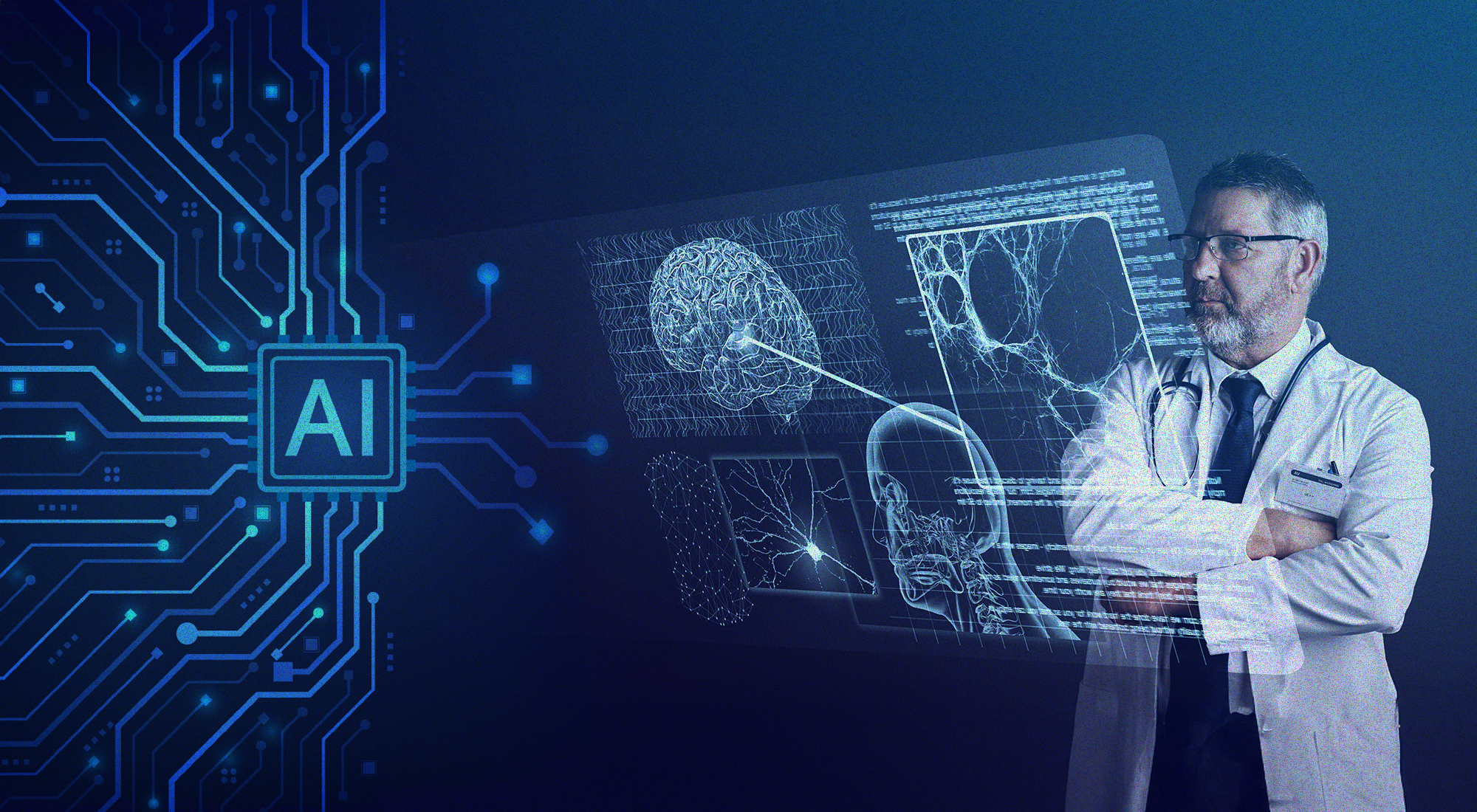
Neural engineers work at the interface of neuroscience and engineering, developing technologies that interact with the nervous system. They apply AI to analyze neural signals, create brain-computer interfaces, and develop therapies for neurological disorders. This field holds immense potential for understanding the brain and developing new treatments for conditions like Parkinson's disease, Alzheimer's disease, and spinal cord injuries.
These engineers work on projects like developing AI algorithms to decode neural activity, designing implantable devices that stimulate specific brain regions, and creating neurofeedback systems that help patients learn to regulate their brainwaves. They require a strong understanding of neuroscience, signal processing, and machine learning.
16. Biomaterials Engineer (AI-Enhanced)

Biomaterials engineers develop materials for use in medical devices and implants, ensuring they are biocompatible, durable, and functional. The integration of AI enhances this field by enabling the design of novel biomaterials with tailored properties, predicting their long-term performance, and optimizing their manufacturing processes.
These engineers use AI tools to analyze vast datasets of material properties, simulate interactions between materials and biological tissues, and accelerate the discovery of new biomaterials. They work on projects like creating AI-designed scaffolds for tissue engineering, developing smart drug delivery systems, and improving the biocompatibility of implants.
17. Regulatory Affairs Specialist (AI In Biomedicine)

Regulatory affairs specialists in AI-driven biomedicine navigate the complex regulatory landscape surrounding the development and approval of AI-based medical devices and software. They ensure that these products comply with all applicable regulations, such as those from the FDA, and address the ethical considerations associated with AI in healthcare.
These professionals play a crucial role in ensuring the safety and effectiveness of AI-driven medical technologies. They work on tasks like preparing regulatory submissions, interpreting guidelines, and advising companies on regulatory strategy. Their expertise is essential for bringing innovative AI-based solutions to the market.
18. Human-Computer Interaction (HCI) Specialist (Medical AI)

HCI specialists in medical AI focus on designing user interfaces and experiences for AI-powered medical devices and software. They ensure that these technologies are intuitive, user-friendly, and safe for both healthcare professionals and patients. Their work is crucial for the successful adoption and integration of AI into clinical practice.
These specialists use their knowledge of human factors, cognitive science, and design principles to create interfaces that minimize errors, reduce cognitive load, and enhance user satisfaction. They employ techniques like user testing, prototyping, and iterative design to develop effective and user-centered solutions.
19. Medical Device Cybersecurity Engineer (AI)

Medical device cybersecurity engineers specialize in protecting AI-enabled medical devices and systems from cyber threats. They work to identify vulnerabilities, implement security measures, and ensure the integrity and confidentiality of patient data. As medical devices become increasingly connected and reliant on software, cybersecurity is paramount.
These engineers work on tasks like conducting security risk assessments, developing secure communication protocols, and implementing intrusion detection systems. They need a strong understanding of cybersecurity principles, networking, and software security, as well as the regulatory requirements related to medical device security.
20. Synthetic Biology Engineer (AI-Driven Design)
Synthetic biology engineers design and construct new biological entities, such as cells and organisms, with novel functions. AI is used to accelerate the design process, predict the behavior of these engineered systems, and optimize their performance for specific applications in medicine and biotechnology.
These engineers use AI tools to analyze vast amounts of biological data, model complex genetic circuits, and design new proteins and metabolic pathways. They work on projects like engineering bacteria to produce drugs, creating synthetic tissues with novel properties, and developing new tools for gene editing and therapy.
Also See - How To Successfully Switch Career Paths Without Experience
People Also Ask
What Is AI-enabled Biomedical Engineering?
AI-enabled biomedical engineering combines artificial intelligence with biology, medicine, and engineering to develop smarter healthcare tools, devices, and systems. It helps improve diagnosis, treatment, and patient care using machine learning, robotics, and data analysis.
Can I Transition Into This Field From Another Career?
Yes, people with backgrounds in engineering, biology, computer science, or healthcare can move into AI-enabled biomedical engineering by learning key skills through courses, certifications, or advanced degrees.
How Is AI Used In Biomedical Science?
In the hands of a biomedical researcher, AI can be used to analyze data, uncover patterns crucial for identifying novel therapeutic targets and accelerate the drug discovery process.
Final Thoughts
AI is bringing big changes to biomedical engineering and creating new paths for smart, meaningful careers. From helping doctors diagnose diseases to building devices that improve lives, these jobs show how powerful technology can be in the hands of skilled professionals.
For anyone interested in healthcare, technology, or a mix of both, this is a great time to consider a career in AI-enabled biomedical engineering. The future of medicine is smarter and you can be part of it.