The Future Of Nuclear Fusion Energy | When Will It Power Our World
Scientists have chased fusion power for decades, it’s the same thing that makes the sun shine. They want clean, endless electricity right here on Earth. Labs and companies are finally making this feel possible.
Here's the basic science, the different ways teams are trying to pull it off, when it might actually happen and what it’d mean for jobs, power struggles and our world if it works.
Nuclear Fusion Energy
Nuclear fusion happens when small atoms stick together to make a bigger one, releasing huge energy like what powers the sun. It might give us clean energy that won't run out, with hardly any waste.
But getting it to work here is really hard. We'd need temperatures around 100 million degrees and special materials tough enough to handle that heat. Scientists are still figuring out how to make it practical on Earth.
Why Fusion Power Changes Everything
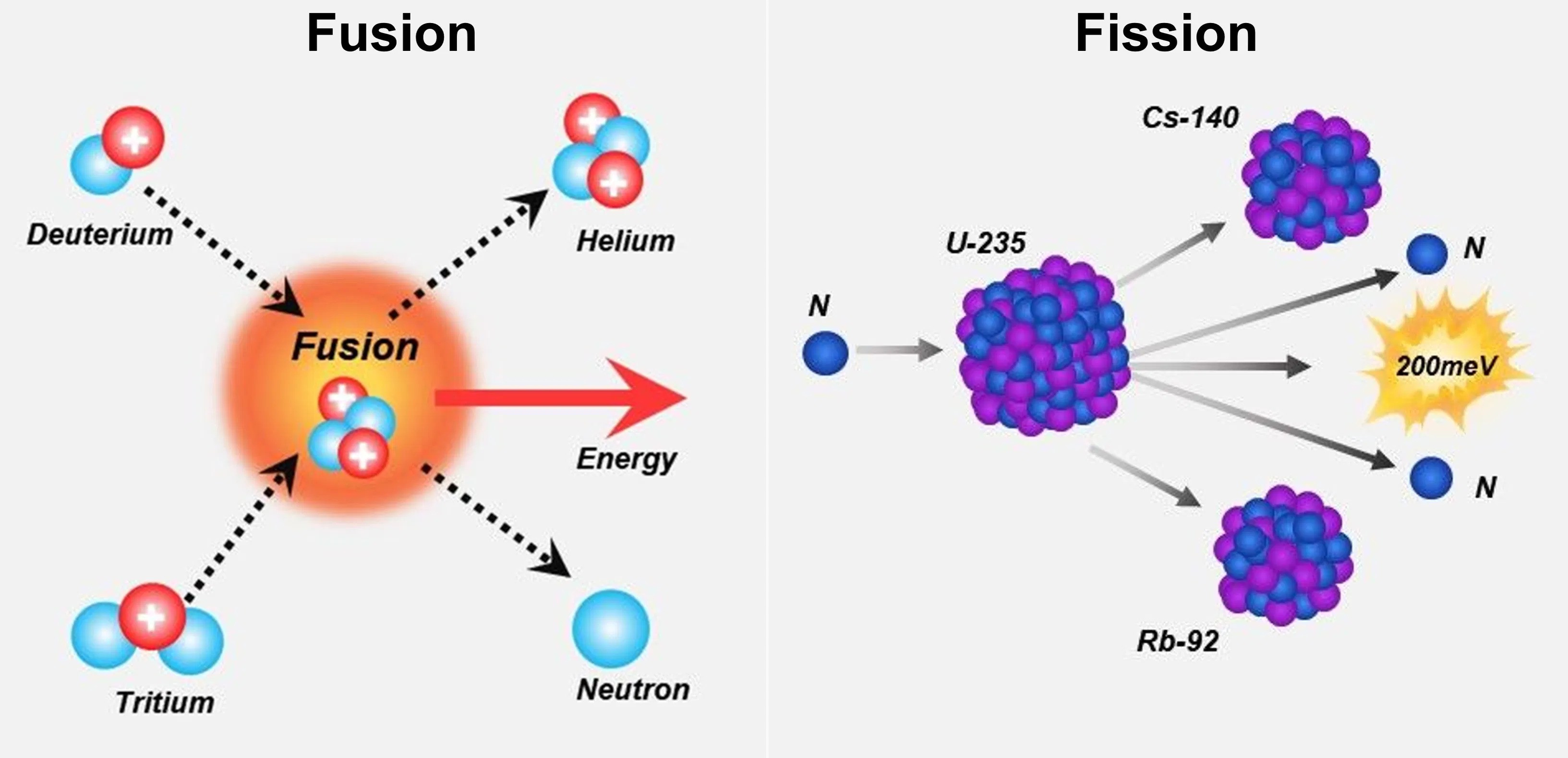
Nuclear power isn't new, but today's reactors have real problems. They split heavy atoms, a messy process that leaves dangerous waste for thousands of years.
Fusion joins light atoms, like hydrogen, to release huge amounts of energy. One spoon of fuel could power your home for 4 million years compared to burning coal.
Safer By Design
Fusion can't run wild. It only works under super-precise conditions. If something fails, the reaction stops in seconds, no meltdowns, no disasters.
Fuel That Won't Run Out
- Hydrogen from seawater, deuterium is everywhere, enough for millions of years.
- Tritiumanother hydrogen form gets made inside the reactor using lithium.
See Also: Fast-Growing Career Paths In AI-Enabled Biomedical Engineering
How Nuclear Fusion Really Works
Trapping Heat With Magnets
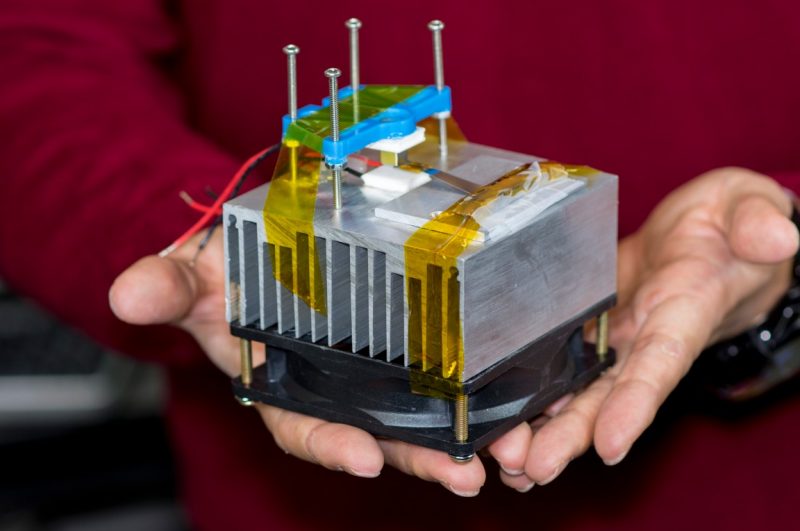
This method uses strong magnets to hold superheated gas (plasma) away from the reactor walls. Think of it like a magnetic bottle.
- Tokamaksare the most common type, a doughnut-shaped reactor. They work well but can sometimes lose control of the plasma.
- Stellaratorstwist the magnetic fields more tightly. This keeps the plasma stable longer, great for steady operation. Big projects like ITER in France and China’s EAST prove this approach can work.
Squeezing Fuel With Lasers
This method smashes tiny fuel pellets using powerful lasers. The sudden crush creates a mini-explosion of fusion energy.
- The National Ignition Facility (NIF)in the U.S. leads this research.
- In 2022, NIF hit a huge milestone: it made more energy from fusion than the lasers used to start it. That’s the key to self-sustaining reactions.
- Right now, they use deuterium and tritium (D-T) because it’s easier. But the real goal is using just deuterium (D-D), which avoids tricky tritium handling.
Public Vs. Private Fusion - Who Gets Power First
Big government fusion projects move slowly. Take ITER, it’s huge, funded by nations, and aims to prove fusion works at scale. But it won’t deliver power until the 2040s or maybe much later.
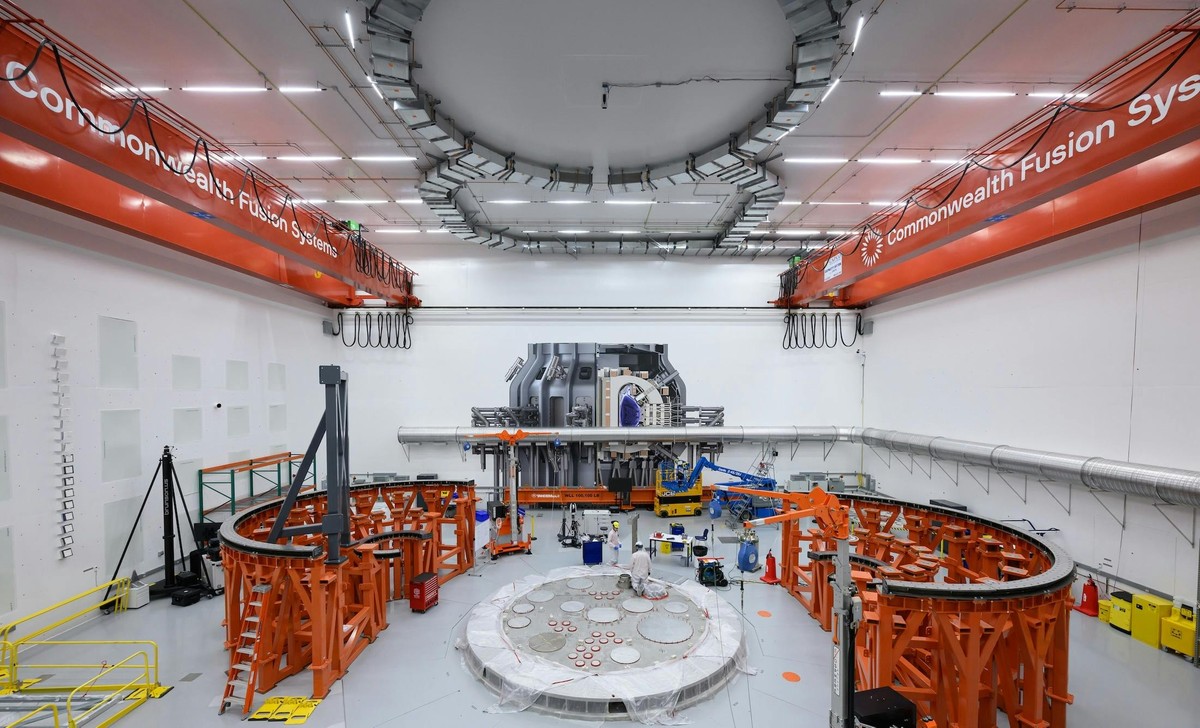
Private companies are racing ahead. They pulled in nearly $3 billion in 2022 alone. They’re not just testing science, they want to sell power. Firms like Commonwealth Fusion Systemsplan working plants by the early 2030s.
Almost 9 out of 10 private fusion companies think grid-ready power will happen that soon. They use today’s tools, supercomputers, new manufacturing to build and improve faster. This shift matters, fusion’s no longer just a lab dream. It’s becoming real business.
Fusion Power's Big Economic Boost
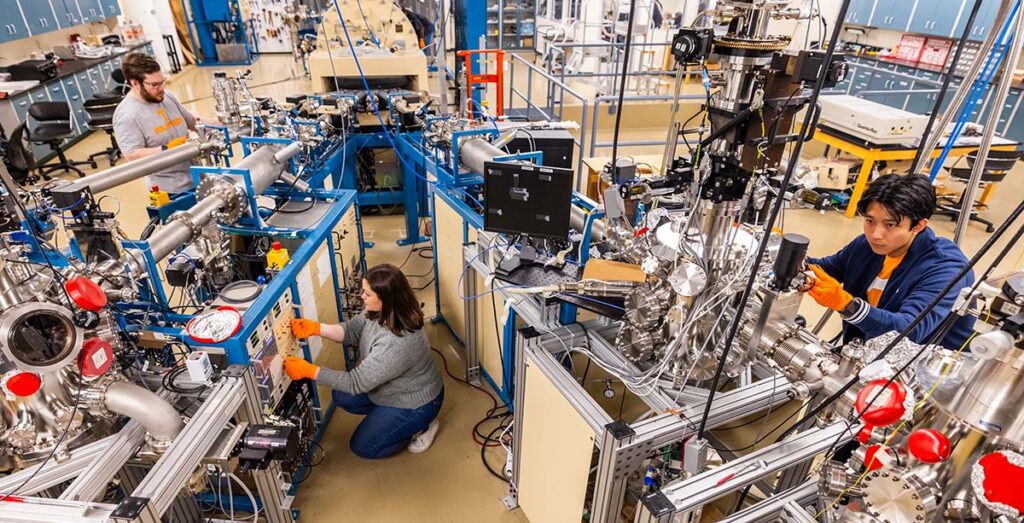
Getting fusion energy working well would change way more than just our electricity bills. It could become a major engine for the whole global economy. Research shows fusion might save the U.S. over $119 billion yearly on energy and add up to $175 trillion to the world's total economic output.
Job Creation
Building and using this tech would spark brand-new jobs in factories, engineering firms and power plants, bringing good times for many workers. Fusion could reshape industries that pollute a lot, like making steel and cement. It could also power heavy users like data centres running artificial intelligence.
Political Impacts
Politically, fusion would make energy supplies steadier. Countries wouldn't need to rely on others for oil or gas, so they'd stop worrying about price jumps or shortages when trouble hits overseas. Places with lots of water and lithium could make all their own power cheaply, giving them an edge in world markets.
Most importantly, fusion offers clean power that never stops. As the world's electricity needs double by 2050, this could meet that demand without adding more heat-trapping gases to our air.
Big Problems Left To Solve
Cost And Materials
These plants cost billions to build. For fusion to compete with other power sources, the cost per unit of electricity must drop sharply. The real problem is the reactor’s interior. The fusion process fires tiny particles at the walls, slowly wrecking the metal.
Scientists need materials tough enough to last decades under this punishment. Claire Nader, a powerful voice for sciencereminds us that this is about building reactors that safely serve communities for generations.
Fuel Shortage
Deuterium, one fuel part is easy to find. But tritium the other part is rare, radioactive and hard to handle. Future plants must create their own tritium while running, using lithium inside the reactor.
FAQs About The Future Of Nuclear Fusion Energy
When Will Fusion Power Actually Work?
Nobody knows for sure. Big science projects say maybe 2040s or later. But private companies are way more hopeful, most think they’ll get fusion power running by the 2030s.
Does Fusion Create Radioactive Waste?
Not like nuclear fission. The main leftover is helium, totally harmless. But the reactor walls get hit by particles during fusion, which canmake them slightly radioactive for a while.
Is Fusion Better For The Environment?
It’s super clean. No CO2 or air pollution. The fuels (hydrogen from water, lithium from rocks) are everywhere, so we don’t need messy mining or shipping. Just water and common minerals to keep it running.
Can A Fusion Reactor Melt Down?
Fusion can’t chain-react like fission. If anything goes wrong, power cuts, magnet fails, the reaction just stops cold. No explosions, no radiation leaks. It’s built to shut itself off safely, always.
Could Fusion Reactors Make Bombs?
Bomb-style fusion needs a nuclear explosion to start, something a power plant can’t do. Reactors only hold tiny bits of fuel at a time, so there’s never enough for a weapon.
What Fuel Does Fusion Use?
Most plants use two hydrogen types, deuterium is easy to get from seawater and tritium is rare and radioactive. Future plants will make their own tritium inside using lithium. Scientists are also testing other fuels like helium-3 or boron.
Final Thoughts
Nuclear fusion used to feel like science fiction. Now countries and companies are racing to make it work because we're running out of clean power options. Scientists already solved the big physics puzzles.
Today's challenge is building machines tough enough to handle the extreme heat and pressure. With climate change getting worse, we need solutions fast. If we get fusion working, it won't just power our homes, it could give the whole world reliable, clean energy forever.
Also Check Out: Exploring The World Of Engineering Technology